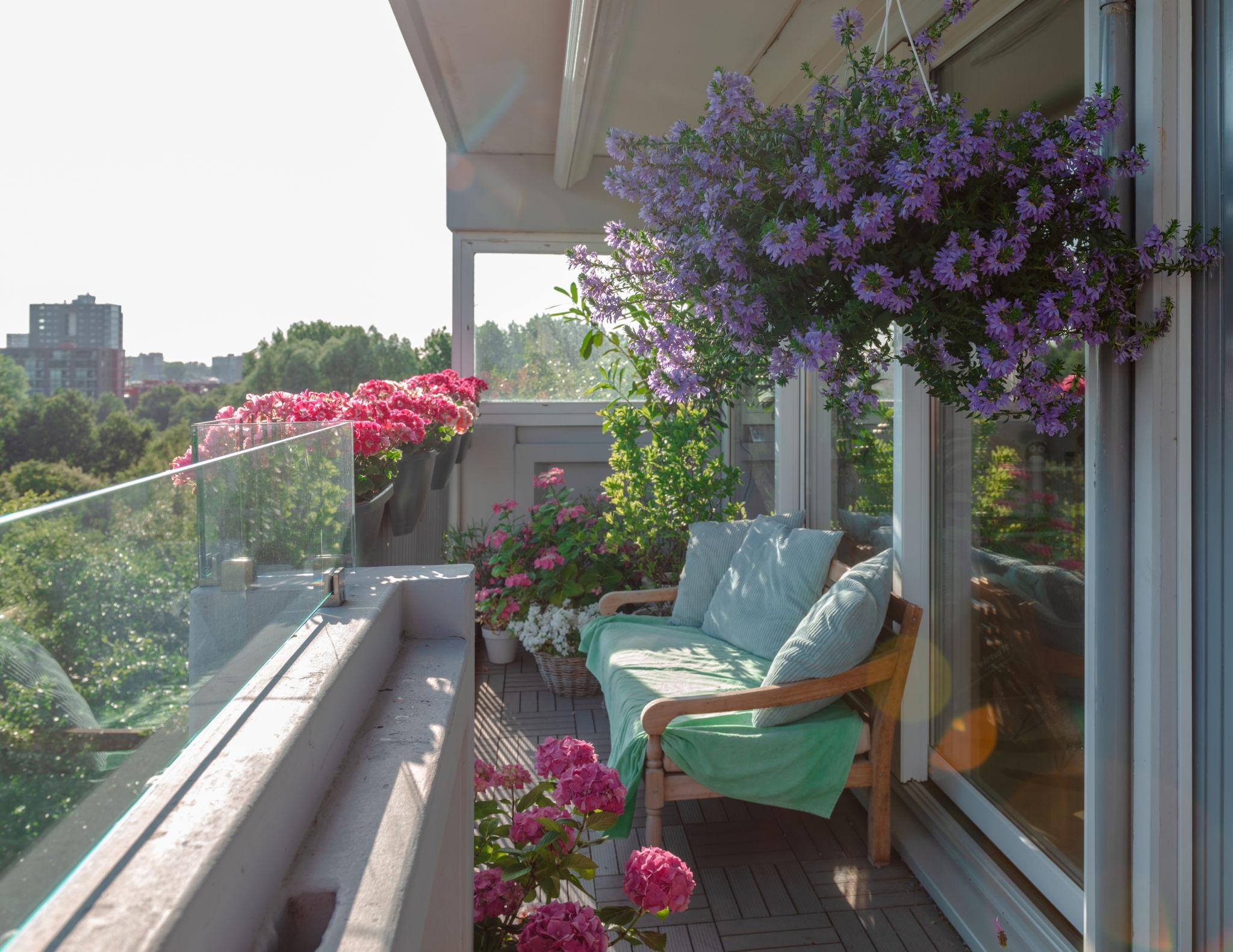
April is when plants quietly start behaving differently.
You might not notice it immediately, but something shifts. Leaves feel softer, soil dries faster, and plants that looked fine in March suddenly seem a little stressed.
This isn’t random.
It’s the transition into warmer conditions and how your plants respond to it.
What Actually Changes in April
As temperatures rise, a few things happen at the same time.
The soil loses moisture faster. Sunlight becomes more intense. Indoor spaces warm up during the day. Even airflow changes, especially in apartments.
For plants, this means:
- faster water loss
- higher stress during peak hours
- changes in growth patterns
And unless your care routine adapts, they start showing signs.
The First Signs You Might Notice
April stress doesn’t always show up dramatically.
It usually begins with small changes:
- leaves drooping slightly during the day
- edges turning a little dry or brown
- soil drying out quicker than usual
- plants needing more frequent watering
These are early signals, not problems yet.
Why Your Watering Routine Needs to Change
One of the biggest mistakes during this time is sticking to the same watering schedule.
What worked in winter or early spring won’t always work now.
As temperatures rise, plants use water faster. But that doesn’t mean you should water blindly or more frequently without checking.
Instead:
- check the soil before watering
- adjust based on dryness, not routine
- water deeply, not just lightly
In Indian conditions, especially in cities like Delhi, Jaipur, or Bangalore, this change becomes noticeable very quickly.
Light Becomes More Intense
Sunlight in April is very different from a few months ago.
A spot that was perfect earlier may now be too harsh, especially for indoor plants placed near windows or on balconies.
You might notice:
- slight leaf burn
- fading color
- drooping during peak sunlight
Moving plants slightly away from direct sunlight or using filtered light can make a big difference.
Heat Stress Is Subtle at First
Plants don’t always react instantly to heat.
Often, they cope during the day and recover in the evening. This is why drooping in the afternoon but normal appearance later is common.
But repeated exposure can slowly weaken the plant.
If your plant is:
- near glass windows
- in direct balcony sun
- or in a poorly ventilated room
…it may need repositioning.
Pests Start Becoming Active
Warmer conditions are also ideal for pests.
You may start noticing:
- tiny insects under leaves
- sticky residue
- early signs of damage
April is the right time to start checking regularly, not waiting for a full infestation.
Simple habits like wiping leaves or inspecting weekly can prevent bigger problems later.
Small Changes That Make a Big Difference
You don’t need to overhaul your entire routine.
A few adjustments are usually enough:
- Check soil more frequently
- Adjust plant placement based on light
- Improve airflow around plants
- Avoid overwatering in response to heat
- Start observing leaves more closely
These small shifts help plants transition smoothly into warmer months.
A Note for Apartment Gardening
In apartments, these changes can feel more intense.
Balconies heat up faster. Indoor spaces can trap warmth. Air circulation may be limited.
This means plants rely even more on how you manage:
- placement
- watering
- airflow
Even moving a plant slightly can change how it responds to the environment.
Frequently Asked Questions
Do plants need more water in April?
As temperatures rise, plants tend to lose moisture faster, so they may need water more often. However, this doesn’t mean increasing watering blindly. It’s important to check the soil before watering and adjust based on how quickly it dries. Overwatering can still be a risk during this time.
Are pests more common during this time?
Yes, warmer conditions create a favorable environment for pests to become active. This is a good time to start inspecting leaves regularly, especially the underside. Early detection helps prevent larger infestations later.
Why do my plants droop during the afternoon in April?
This is often due to temporary heat stress. During warmer parts of the day, plants lose water faster and may droop slightly. If they recover by evening, it’s usually not a serious issue. However, repeated exposure to strong sunlight may require repositioning the plant.
Should I move my plants during April?
In many cases, yes. As sunlight becomes stronger, some plants may no longer tolerate their previous placement. Moving them slightly away from direct sunlight or into filtered light can help reduce stress. Small adjustments often make a noticeable difference.
April isn’t a difficult month for plants.
It’s just a transitional one.
The more you notice these small changes early, the easier it becomes to adjust your care routine.
Over time, you begin to understand your plants not as fixed systems, but as something that responds slowly and quietly to their environment.
From The Urban Sprout
Plant care changes with the season.
The more you notice, the less you have to fix.