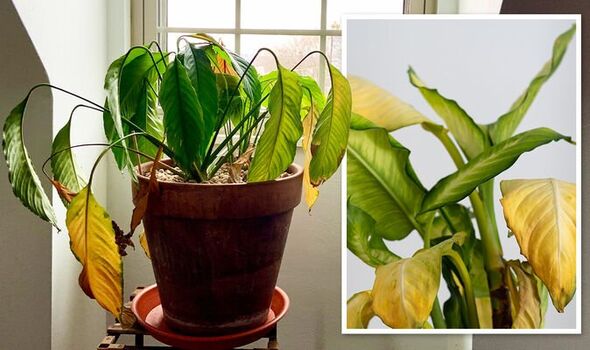
You water your plant, place it near sunlight, and still… one day it just starts drooping.
The leaves lose their firmness, stems bend slightly, and the whole plant just looks tired. It can feel sudden, almost like something went wrong overnight.
But in most cases, drooping isn’t random.
It’s your plant’s way of responding to something in its environment — and if you look closely, it usually makes sense.
What Drooping Actually Means
Before jumping to conclusions, it helps to understand what’s really happening.
Plants stay upright because of internal water pressure (called turgor pressure). When everything is balanced, the cells stay firm, and the plant holds its shape.
When something disrupts that balance — too much water, too little water, heat, or stress — the structure weakens. That’s when you see drooping.
So instead of treating it as a single problem, it’s better to see it as a signal.
The Most Common Reasons for Drooping
1. Underwatering (the obvious one, but not always the only one)
If the soil has gone completely dry, the plant simply doesn’t have enough moisture to support itself.
You’ll usually notice:
- Dry, light soil
- Leaves that feel thin or slightly crispy
- Drooping that improves after watering
This is common in warmer months, especially in Indian summers where water evaporates quickly.
2. Overwatering (less obvious, but very common)
This is where things get confusing.
You might think drooping means the plant needs water — but sometimes, it’s the opposite.
When soil stays too wet, roots don’t get enough oxygen. Over time, they start to weaken and can’t absorb water properly.
So even though the soil is moist, the plant behaves like it’s thirsty.
You might notice:
- Wet or soggy soil
- Yellowing leaves along with drooping
- No improvement after watering
This is one of the most common issues in indoor plants.
3. Heat Stress (very relevant in Indian conditions)
If your plant is placed near a window or balcony during peak summer, it may be exposed to more heat than it can handle.
In high temperatures, plants lose water faster than usual. Even if the soil is moist, the leaves may droop during the day.
You’ll notice:
- Drooping during afternoon heat
- Slight recovery in the evening
- Leaves feeling soft but not dry
This doesn’t always mean something is wrong — but it does mean the plant needs adjustment.
4. Sudden Environmental Changes
Plants don’t like sudden shifts.
Moving a plant from indoors to a balcony, changing its position, repotting, or even a temperature change can cause temporary stress.
In response, the plant may droop while it adjusts.
You might notice:
- Drooping without obvious watering issues
- Otherwise healthy leaves
- Recovery after a few days
This is common when bringing new plants home or rearranging your space.
5. Light Imbalance
Light plays a bigger role than most people expect.
Too little light means the plant doesn’t have enough energy to maintain structure. Too much harsh light can increase water loss and stress the plant.
In both cases, drooping can appear as a symptom.
How to Identify the Real Cause
Instead of guessing, a simple check can help you understand what’s happening.
Start with the soil.
- If it’s dry then it’s likely underwatering
- If it’s wet then possible overwatering
- If it’s slightly moist then look at heat or light
Then observe the environment.
- Is the plant in direct sunlight?
- Has its position changed recently?
- Is the room too warm or too dry?
This small process of elimination is usually enough to pinpoint the issue.
What You Should Do
Once you understand the cause, the solution becomes straightforward.
If the soil is dry, water the plant thoroughly and allow excess water to drain out.
If the soil is too wet, avoid watering for a few days and make sure the pot has proper drainage.
If heat is the issue, move the plant slightly away from direct sunlight or provide indirect light.
If the plant was recently moved, give it time to adjust before making further changes.
In most cases, plants recover quickly once the condition is corrected.
A Note on Recovery
One important thing to remember is that plants don’t always bounce back instantly.
Even after fixing the issue, it might take a day or two for the leaves to regain their firmness.
What matters more is whether new growth looks healthy and stable.
How do I know if my plant is drooping due to overwatering or underwatering?
Start by checking the soil. If it feels dry and light, the plant likely needs water. If it’s wet or soggy, overwatering could be the issue. Both conditions can cause similar drooping. The soil is usually the clearest indicator.
Should I water my plant immediately when it starts drooping?
Not always. Drooping doesn’t automatically mean the plant needs water. Check the soil first before taking any action. Watering an already wet plant can make things worse. It’s better to understand the cause before reacting.
Can moving a plant cause drooping?
Yes, plants can react to sudden environmental changes. Moving them to a new spot or changing conditions can cause temporary stress. Drooping is a common response during this adjustment period. Most plants recover once they settle in.
Drooping can feel alarming, especially when it happens suddenly. But it’s rarely a sign that your plant is beyond saving. More often, it’s just a signal — a small adjustment is needed. The more you observe your plants, the easier it becomes to understand these signals. Over time, you start noticing patterns, and plant care begins to feel less like guesswork.
From The Urban Sprout
Healthy plants don’t come from perfect care.
They come from paying attention.