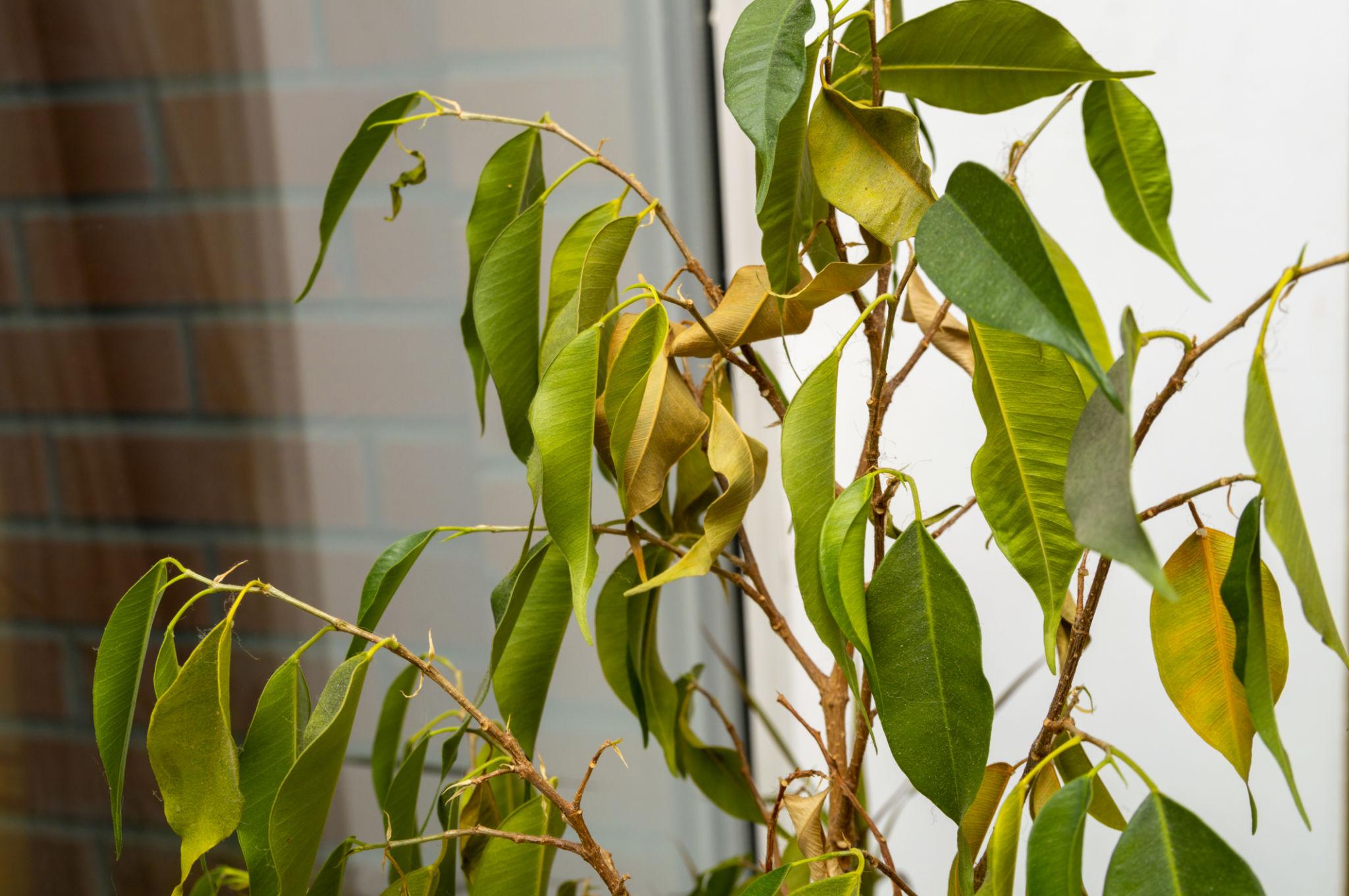
One day your plant looks completely fine.
The next, you notice leaves lying on the soil.
At first it might just be one or two. Then a few more.
It can feel sudden, almost like something went wrong overnight.
But most of the time, leaf drop is not random.
It is your plant’s way of responding to something in its surroundings. When something feels off, the plant adjusts quietly, and dropping leaves is often part of that process.
What Leaf Drop Actually Means
Plants naturally lose older leaves as they grow. That is completely normal.
But when the leaf drop feels sudden or excessive, it usually means the plant is under some kind of stress.
Instead of thinking of it as damage, it helps to see it as the plant trying to balance itself.
Sudden Change in Environment
Plants prefer stability.
If you have recently moved your plant, changed its position, or brought it into a new space, it may react by dropping leaves.
You might notice that the plant still looks healthy overall, but the leaves begin to fall within a few days.
This is simply the plant adjusting. Once it settles into the new environment, it usually stabilises on its own.
Overwatering
Too much water is one of the most common reasons for leaf drop.
When the soil stays wet for too long, the roots do not get enough air. Over time, they weaken and cannot support the plant properly.
You may notice that the leaves turn yellow before they fall, and the soil feels constantly damp.
In indoor setups, this happens more often than expected.
Underwatering
On the other side, if the plant is not getting enough water, it begins to conserve energy.
Dry soil makes it difficult for the plant to maintain all its leaves, so it starts shedding them.
You might see dry, brittle leaves and soil that feels light and pulls away from the pot.
This becomes more common as temperatures rise and water evaporates faster.
Light Imbalance
Light has a direct effect on how a plant holds its structure.
If there is not enough light, the plant does not have the energy to support all its leaves. If the light is too harsh, especially during warmer months, it can cause stress.
You may notice leaves falling from the lower part of the plant or uneven growth patterns.
Often, a small change in placement is enough to fix this.
Temperature and Seasonal Changes
As the weather changes, plants adjust.
Around April, warmer temperatures and stronger sunlight start affecting indoor and balcony plants. Even if your care routine stays the same, the environment around the plant has changed.
Leaf drop during this time can be part of that transition.
In many Indian homes, this becomes noticeable as the heat builds up during the day.
Pests or Early Infestation
Sometimes leaf drop is an early signal of pest activity.
If you also notice sticky leaves, tiny insects, or unusual spots, it is worth checking more closely.
Pests weaken the plant gradually, and dropping leaves can be one of the first visible signs.
How to Understand What’s Causing It
Instead of guessing, take a moment to observe.
Check the soil. Is it dry or still wet?
Think about any recent changes in placement or environment.
Look at the light. Is it too strong or too low?
Notice the leaves. Are they yellow, dry, or spotted?
Most of the time, the answer becomes clear once you slow down and look carefully.
What You Can Do
Once you understand the cause, the solution is usually simple.
Adjust your watering based on how the soil feels rather than following a fixed schedule.
Keep the plant in a stable spot instead of moving it frequently.
Move it slightly away from harsh sunlight if needed.
Check for pests and act early if you notice anything.
Avoid making too many changes at once. Plants respond better to small, steady adjustments.
Is Leaf Drop Always a Problem
Not always.
Some amount of leaf drop is natural, especially when the plant is growing or adapting.
It becomes a concern when it happens quickly, when multiple leaves fall every day, or when new growth looks weak.
That is when it needs closer attention.
A Note for Apartment Plants
In apartments, small changes can have a bigger impact.
Limited airflow, heat near windows, and changing light conditions all affect how plants behave.
This is why observation matters more than routine. The same plant can behave differently depending on where it is placed.
Leaf drop can feel worrying, especially when it happens suddenly.
But in most cases, it is simply your plant adjusting to something.
Once you understand what it is responding to, the solution becomes much clearer.
Frequently Asked Questions
Is it normal for plants to drop leaves?
Yes, occasional leaf drop is a natural part of plant growth. Plants often shed older leaves as they grow new ones. However, if the leaf drop is sudden or excessive, it usually indicates stress. Observing the pattern helps determine whether it’s normal or a sign of a problem.
Can overwatering cause leaves to fall?
Yes, overwatering is one of the most common reasons for leaf drop. When roots stay too wet, they struggle to function properly, which weakens the plant. This often leads to yellowing followed by leaf drop. Letting the soil dry slightly between watering helps prevent this.
How long does it take for a plant to recover from leaf drop?
Recovery time depends on the cause and how quickly it is addressed. In many cases, plants start stabilizing within a few days to a couple of weeks. New growth is a good sign that the plant is recovering. Consistent care helps speed up the process.
Should I remove fallen leaves from the soil?
Yes, it’s a good idea to remove fallen leaves from the soil surface. This helps keep the plant area clean and prevents potential fungal issues. It also makes it easier to monitor new leaf drop. Keeping the soil surface clear supports overall plant health.
From The Urban Sprout
Plants do not react without reason.
They just respond quietly.