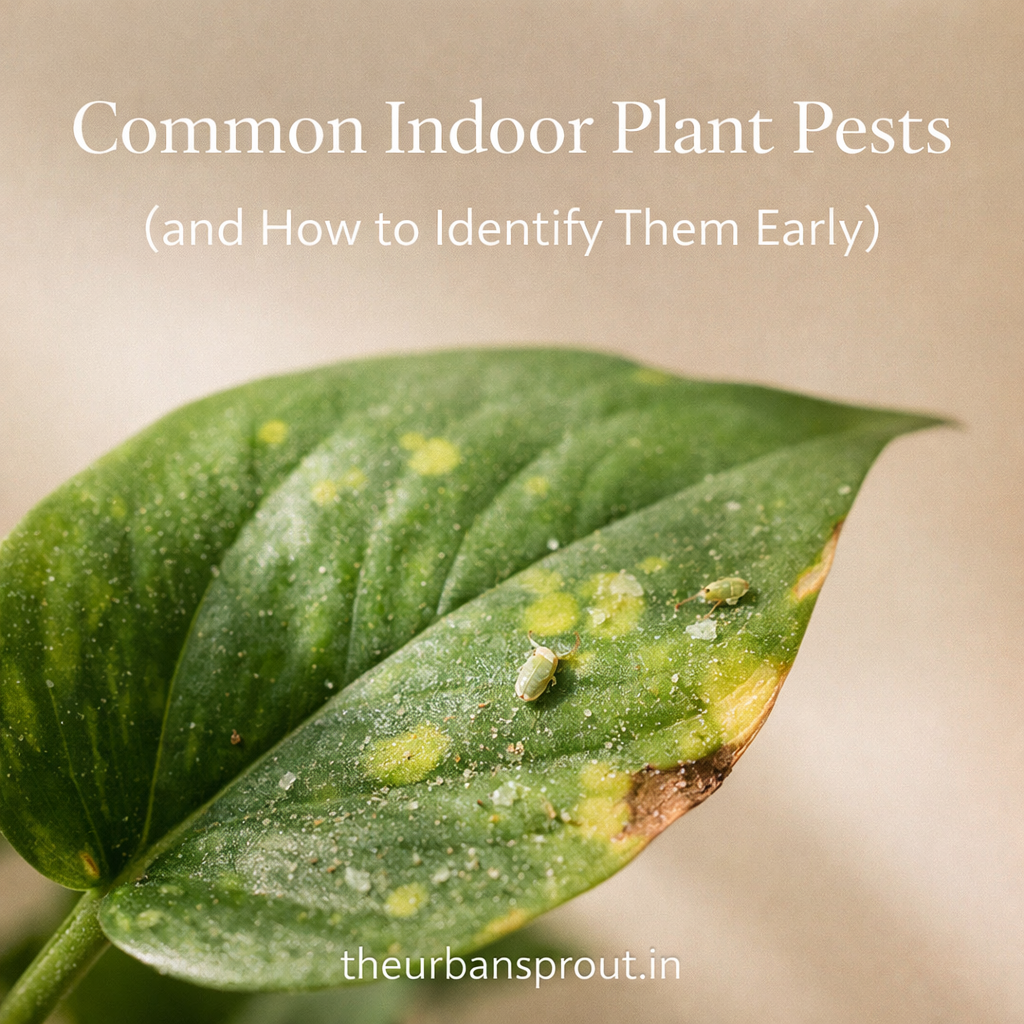
Indoor and balcony plants bring life into our homes.
But sometimes, something feels off. Yellow leaves, sticky surfaces, or tiny bugs you didn’t notice before.
More often than not, pests are the hidden cause.
The good news is that if you catch them early, they’re usually easy to manage.
How to Tell If Your Plant Has Pests
Before jumping into solutions, look for these early signs:
- Yellowing or curling leaves
- Sticky residue on leaves or nearby surfaces
- White, cotton-like patches
- Tiny moving dots, often under leaves
- Fine webbing between stems and leaves

These are not random. Your plant is reacting to an external stress.
Common Pests You Should Know
Let’s break down the most common pests found in indoor and balcony plants.
Spider Mites
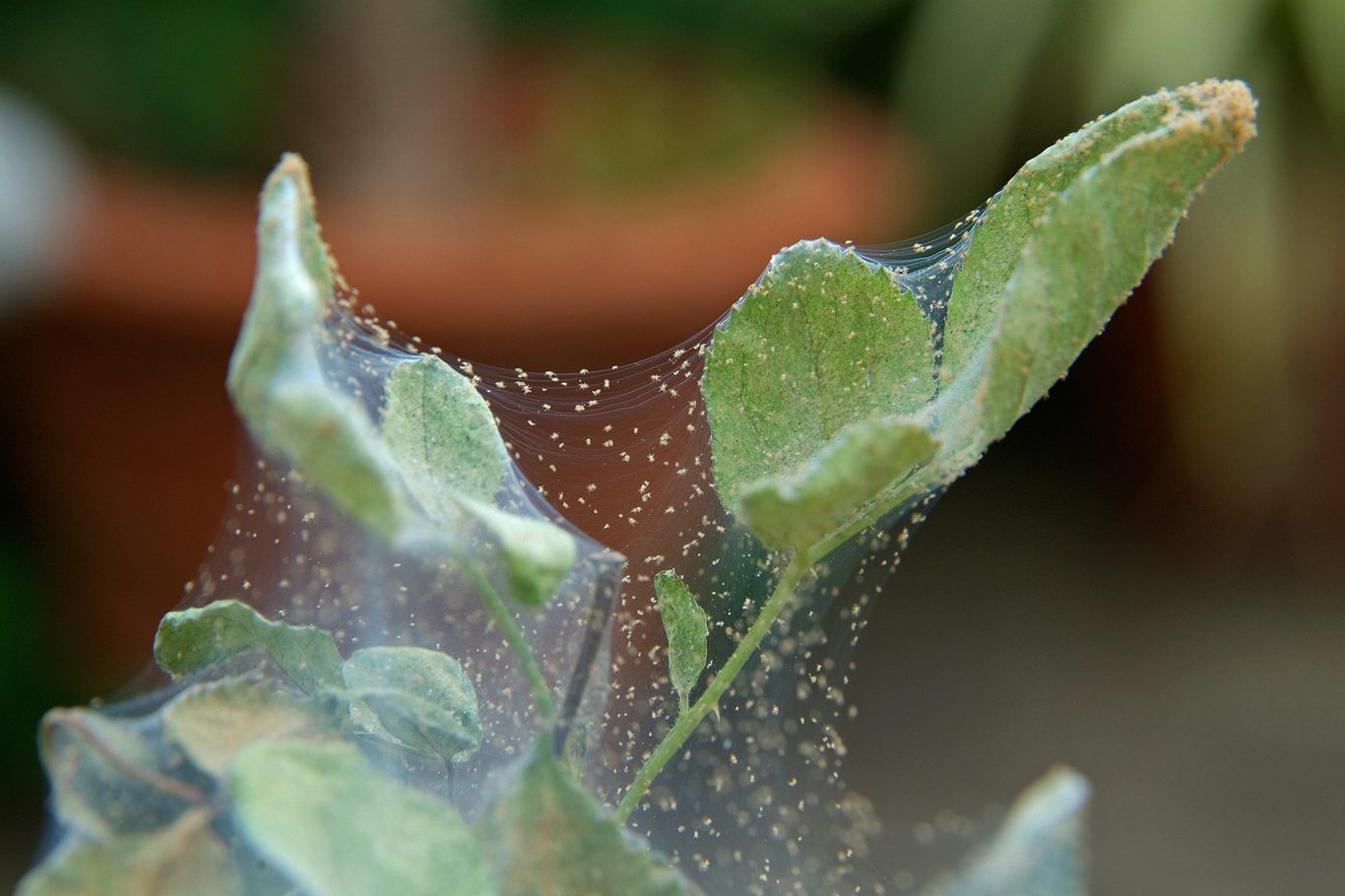
What they look like:
Tiny red or brown dots, often hard to see without close inspection
Key signs:
- Fine webbing on leaves
- Leaves turning pale or yellow
- Dry, dusty appearance
Where they thrive:
Warm, dry conditions, common in air-conditioned indoor spaces
Aphids (Mahoo / plant lice)
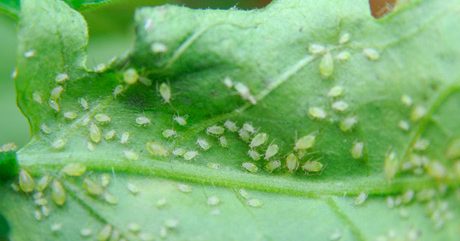
What they look like:
Small green, black, or brown insects clustered on stems or new growth
Key signs:
- Sticky leaves (called honeydew)
- Distorted or curled new leaves
Indian context:
Often seen during seasonal transitions, especially post-monsoon
Mealybugs (Safed keede / cotton pests)
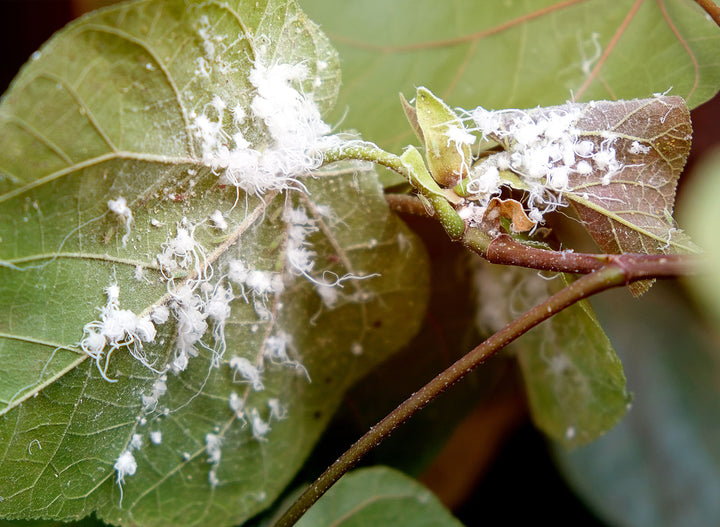
What they look like:
White, cotton-like clusters on stems and leaf joints
Key signs:
- Sticky residue
- Weak or drooping plant
- Visible white patches
Common in:
Indoor plants like money plant (pothos / money plant), jade, and succulents
Fungus Gnats (Soil flies / chhoti makkhiyan)
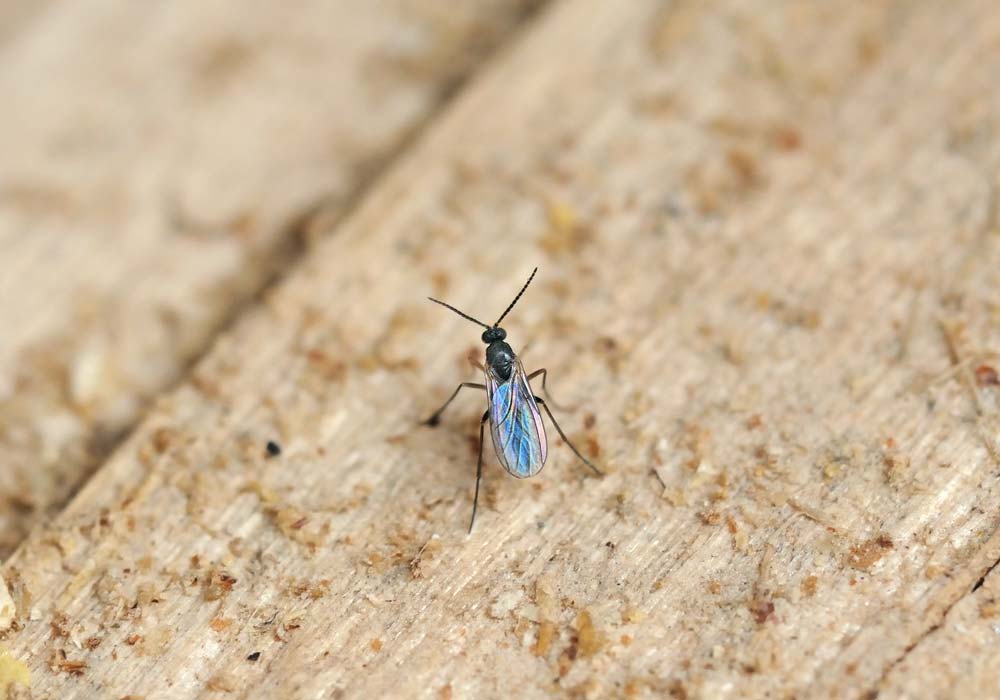
What they look like:
Tiny black flies hovering around soil
Key signs:
- Flies near the pot
- Larvae in moist soil
- Overly wet soil conditions
Cause:
Overwatering and poor drainage
Why Do Plants Get Pests
Pests don’t just appear randomly.
They’re usually a sign of plant stress or environment imbalance.
Common reasons include:
- Overwatering or consistently damp soil
- Poor airflow, common in indoor setups
- Weak or nutrient-deficient plants
- Sudden environmental changes like temperature shifts or relocation
A healthy plant is naturally more resistant.
How to Get Rid of Pests (Simple and Effective)
You don’t need complicated chemicals to start.
1. Isolate the plant
Keep the affected plant away from others to prevent spread
2. Clean the leaves
Wipe with a damp cloth or gently rinse under water
3. Use neem oil (neem ka tel)
A natural and widely available solution
Mix with water and spray on leaves, especially undersides
Repeat weekly
4. Mild soap spray (liquid soap / reetha solution alternative)
Add a few drops of liquid soap to water and spray lightly
Helps remove soft-bodied pests
5. Prune heavily affected areas
Remove badly infested leaves to control spread
How to Prevent Pests
Prevention is always easier than treatment.
- Check your plants weekly, especially under leaves
- Avoid overwatering
- Ensure proper drainage
- Maintain airflow and avoid overcrowding
- Clean leaves regularly
Small habits make a big difference in long-term plant health.
Frequently Asked Questions
How do I know if my plant has pests or a watering issue?
Yellow leaves from watering issues are usually uniform, while pests cause irregular damage, spots, or stickiness. Check under the leaves for tiny insects or webbing. If you see residue, cotton-like patches, or movement, it’s likely pests. Observing closely is the easiest way to tell the difference.
Can pests spread from one plant to another?
Yes, pests spread very easily between nearby plants. They move through direct contact or even through air in some cases that’s why isolating an infected plant is important. Early separation can prevent a full infestation.
Is neem oil safe for all indoor plants?
Neem oil (neem ka tel) is generally safe for most plants when diluted properly. Always spray a small test area first before full application. Avoid using it under strong sunlight to prevent leaf burn. Regular, light application works better than heavy spraying.
How often should I check my plants for pests?
A quick weekly check is usually enough for most indoor plants. Focus on the underside of leaves and new growth. Early signs are easy to miss if you don’t look closely. Regular checks help you catch problems before they spread.
Pests are a part of plant care, not a failure. If your plant has them, it simply means something in its environment needs attention. The key is to observe early, act gently, and stay consistent. Taking care of plants isn’t about perfection. It’s about understanding what they’re trying to tell you.