March marks the transition from winter to spring in many parts of the world. During this time, indoor plants begin to come out of their dormant phase and enter a period of active growth.
Changes in daylight, temperature, and humidity directly affect how plants behave. As a result, plant care routines that worked during winter may no longer be suitable.
Making small adjustments in March helps prepare your indoor plants for healthier and stronger growth in the months ahead.
1. Increase Light Exposure Gradually
As days become longer, indoor plants receive more natural light. This is essential for growth, but sudden exposure to strong sunlight can stress plants.
Plants that were kept in low-light areas during winter may need time to adjust.
Place plants closer to windows where they can receive bright, indirect sunlight. Rotating plants every few days ensures even growth and prevents leaning.
2. Adjust Watering Routine
With rising temperatures and increased light, plants begin to use more water. However, overwatering is still a common mistake during this transition period.
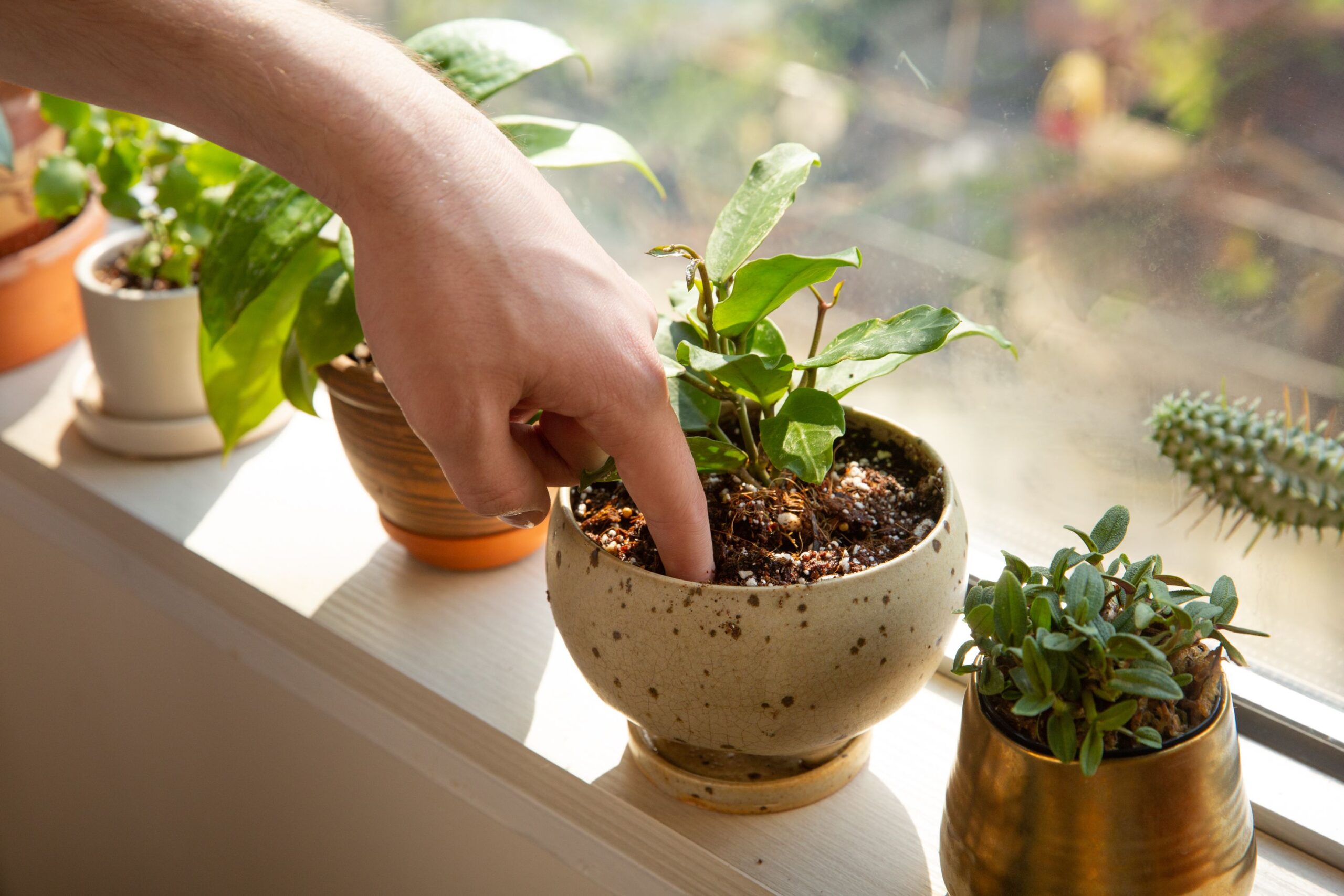
Instead of following a fixed schedule, check the soil regularly. Water only when the top layer feels dry.
Balanced watering supports healthy root function and prevents issues such as root rot or dryness.
3. Start Fertilizing
Spring is the beginning of the active growing season, making it the right time to introduce nutrients.
After months of slow growth, plants benefit from additional feeding to support new leaves and stems.
Use a balanced liquid or organic fertilizer every few weeks. Avoid over-fertilizing, as it can harm the plant.
4. Repot if Needed
March is one of the best times to repot indoor plants. Plants that have outgrown their containers or show signs of root crowding benefit from repotting.
Signs that repotting may be needed include:
- Roots coming out of drainage holes
- Soil drying too quickly
- Limited new growth
Moving the plant to a slightly larger container allows roots to expand and improves overall growth.
5. Clean Leaves and Check for Dust
Indoor plants often collect dust on their leaves, especially during winter when windows are kept closed.
Dust can block light absorption and affect photosynthesis.
Gently wiping leaves with a damp cloth helps keep them clean and allows the plant to absorb light more effectively.
6. Watch for Pests
As temperatures rise, pests such as spider mites and aphids may begin to appear.
Early detection is important to prevent infestations from spreading.
Inspect leaves regularly, especially the undersides. If pests are present, cleaning leaves or using mild natural solutions can help manage the issue.
7. Prune and Remove Dead Growth
Pruning is an important step in preparing plants for the growing season.
Removing dead or damaged leaves allows the plant to focus energy on new growth.
Light pruning also helps maintain shape and encourages fuller, healthier plants.
8. Improve Air Circulation
Indoor environments can become stagnant, especially after winter months.
Good air circulation supports plant health and reduces the risk of fungal issues.
Opening windows occasionally or ensuring proper airflow around plants can create a healthier environment.
9. Rearrange Plant Placement
As light conditions change in March, some plants may benefit from being moved to new positions.
Plants that require more light can be placed closer to windows, while shade-tolerant plants can remain in indirect light areas.
Adjusting placement helps match each plant’s needs with available conditions.
Frequently Asked Questions
Is March a good time to repot indoor plants?
Yes, early spring is ideal because plants are entering their active growth phase.
Why are pests more common in spring?
Warmer temperatures create favorable conditions for pests to develop.
Should I fertilize indoor plants in March?
Yes, light fertilization can support new growth during the growing season.
March is an important transition period for indoor plants. As they move from dormancy to active growth, small changes in care can have a significant impact.
Adjusting light exposure, watering, and nutrition during this time helps plants grow stronger and healthier.
With consistent care, indoor plants can thrive throughout the spring and continue to improve the overall environment of your home.