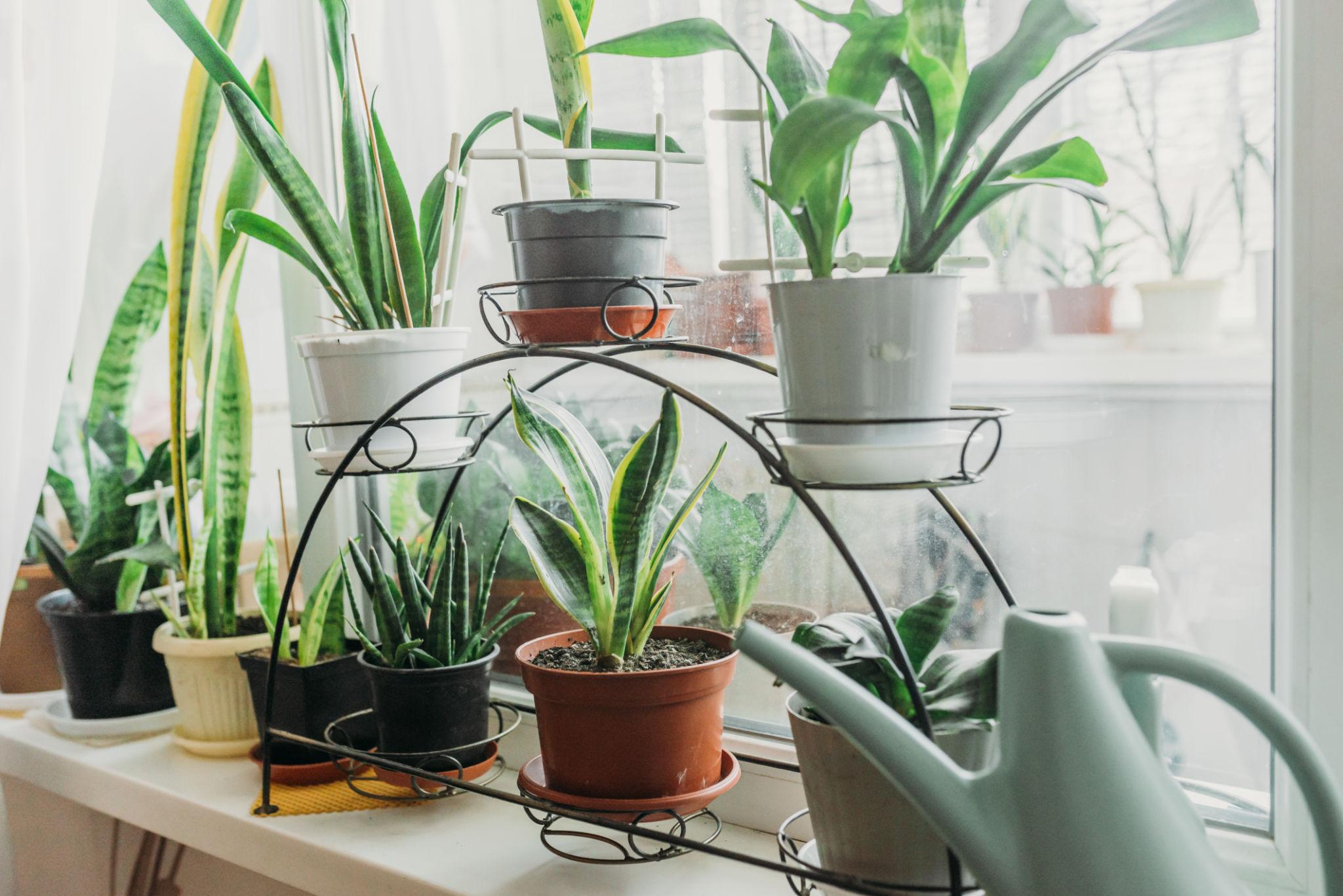
Balcony gardening is one of the easiest ways to bring nature into apartment living. Even a small balcony can support a variety of plants when the right approach is used. Many beginners believe gardening requires large spaces, but container gardening makes it possible to grow plants successfully in compact areas.
Starting a balcony garden from scratch involves understanding your space, choosing the right containers, and selecting plants that match your environment. With proper planning, a balcony can become a relaxing green space filled with healthy plants.
Step 1 Understand Your Balcony Environment
Before buying plants, observe the conditions on your balcony.
Check how many hours of sunlight the space receives each day. Some balconies receive strong sunlight for several hours, while others remain shaded most of the time.
Sun loving plants grow best in bright balconies, while shade tolerant plants perform better in areas with limited sunlight.
Understanding these conditions helps you choose plants that will grow successfully.
Step 2 Choose Suitable Containers
Containers are essential for balcony gardening because plants grow entirely inside pots.
Choose containers that have drainage holes to prevent excess water from collecting in the soil. Pots made from plastic, clay, or ceramic all work well depending on plant needs.
Selecting containers of appropriate size allows plant roots to grow comfortably.
Step 3 Prepare Good Soil
Healthy soil is the foundation of successful container gardening.
Balcony plants grow best in soil that drains well but still retains enough moisture for roots. A balanced mixture of soil, compost, and lightweight materials usually works well for most plants.
Good soil helps plants absorb nutrients and maintain steady growth.
Step 4 Choose Beginner Friendly Plants
Starting with easy plants helps beginners gain confidence.
Herbs, leafy plants, and hardy flowering plants often grow well in containers. Choosing plants suited for your balcony’s sunlight conditions makes gardening easier and more enjoyable.
As experience grows, additional plant varieties can be added.
Step 5 Arrange Plants Carefully
Proper plant placement improves sunlight exposure and airflow.
Larger plants can be placed in balcony corners while smaller plants can be arranged on shelves or railings. Using vertical space such as hanging pots helps maximize limited balcony areas.
Balanced placement creates both a healthy growing environment and an attractive garden layout.
Step 6 Maintain Regular Care
Balcony gardens require simple but consistent care.
Water plants when soil begins to dry, remove damaged leaves when necessary, and occasionally refresh soil nutrients using compost.
Observing plants regularly helps identify problems early and keeps the garden healthy.
Can a balcony garden work in small apartments?
Yes. Even small balconies can support several plants when containers and vertical space are used effectively.
How many plants should beginners start with?
Starting with three to five plants is usually manageable for beginners.
What is the easiest plant for balcony gardening?
Herbs and hardy flowering plants are usually among the easiest plants for beginners.
Do balcony plants need daily watering
Watering depends on soil moisture and weather conditions rather than a fixed schedule.
Starting a balcony garden from scratch is easier than many people expect. By understanding the available sunlight, choosing suitable containers, and selecting beginner friendly plants, anyone can create a thriving balcony garden.
Balcony gardening is not only about growing plants but also about creating a peaceful outdoor space within urban homes. Over time, small gardens often grow into beautiful green corners that bring relaxation and natural beauty into everyday apartment living.