Living sustainably does not require a large house or access to outdoor land. Many sustainable habits can easily be practiced inside small apartments and compact homes. By making thoughtful choices about energy use, waste management, and everyday consumption, households can reduce their environmental impact while maintaining comfortable living spaces.
Sustainable living in small homes focuses on efficiency, mindful consumption, and responsible use of resources. Even simple lifestyle adjustments can help create a greener home environment.
Start with Conscious Consumption
One of the most effective ways to create a sustainable home is by reducing unnecessary consumption.
Before buying new items, consider whether they are truly needed. Avoiding impulse purchases helps reduce waste and prevents clutter from accumulating in small living spaces.
Buying fewer but higher quality items also supports long term sustainability.
Use Energy Efficient Lighting
Lighting plays a significant role in household energy consumption.
Switching to energy efficient light bulbs helps reduce electricity usage while maintaining comfortable indoor lighting. Turning off lights when leaving a room also prevents unnecessary energy waste.
Small habits like these can significantly reduce energy use over time.
Improve Natural Lighting
Maximizing natural light helps reduce the need for artificial lighting during the day.
Keeping windows unobstructed and arranging furniture to allow sunlight into rooms can brighten living spaces naturally. Natural light also improves the overall atmosphere of the home.
Choose Reusable Household Items
Reusable items reduce the need for disposable products.
Using cloth shopping bags, reusable water bottles, and durable food containers helps reduce plastic waste. These items last longer and support environmentally responsible living.
Over time, replacing disposable products with reusable alternatives creates a noticeable difference.
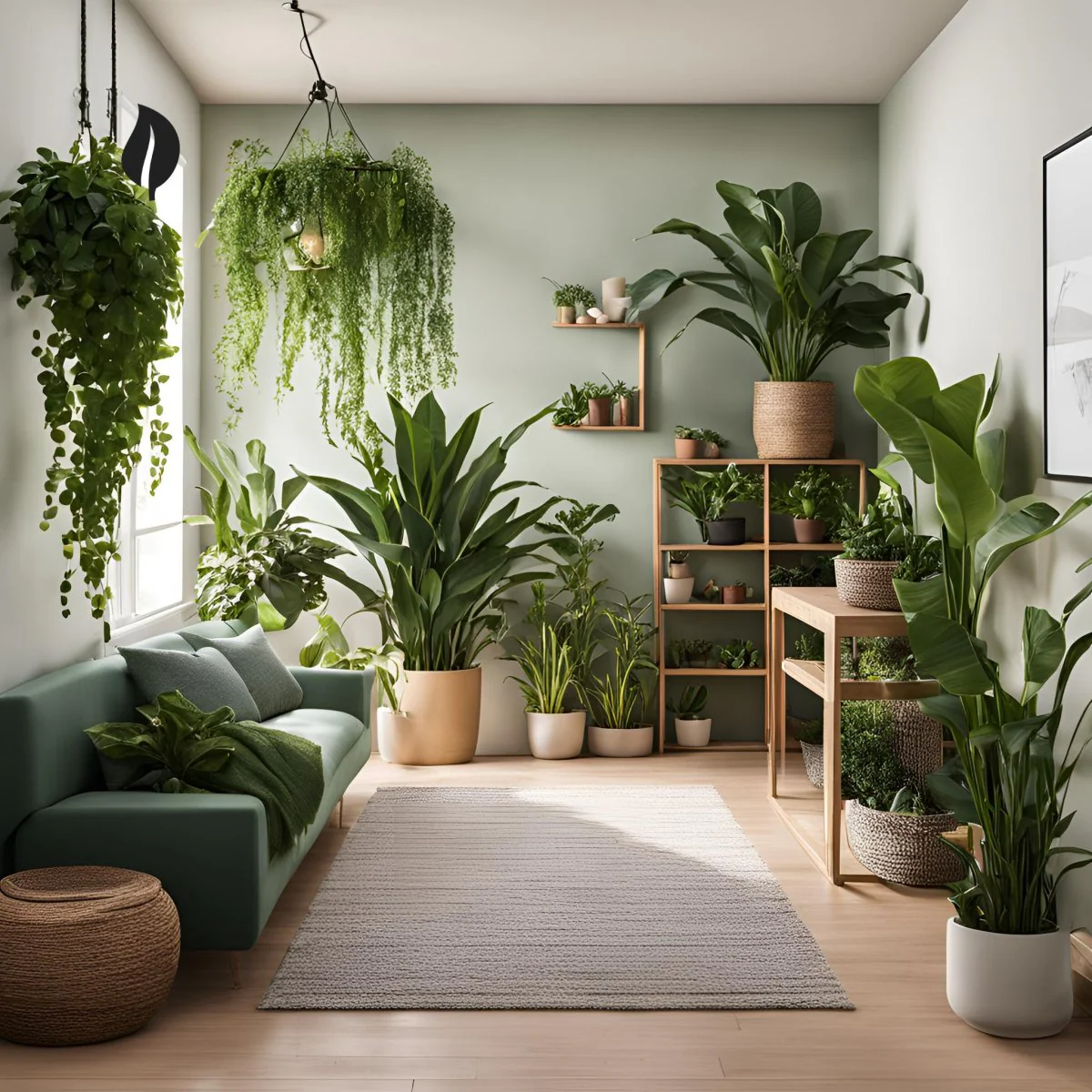
Grow Plants Indoors
Indoor plants contribute to a more sustainable home environment.
Plants encourage people to become more aware of natural processes and responsible consumption habits. Growing herbs or small plants inside the home also supports a greener lifestyle.
Even a few indoor plants can make living spaces feel more connected to nature.
Reduce Food Waste
Food waste is a common issue in many households.
Planning meals carefully and storing food properly helps reduce waste. Leftover food can often be reused in future meals instead of being discarded.
Some households also compost kitchen scraps to support plant growth.
Choose Sustainable Materials
Whenever possible, choose household items made from natural or durable materials.
Wood, glass, and metal products often last longer than disposable plastic alternatives. Durable materials reduce replacement frequency and lower long term environmental impact.
What is the easiest sustainable change to start?
Using reusable bags and containers is one of the simplest sustainable habits to begin with.
Do sustainable homes require expensive products?
Not necessarily. Many sustainable habits involve reducing consumption rather than buying new items.
How can beginners start sustainable living?
Begin by observing daily habits and gradually replacing disposable items with reusable alternatives.
reating a sustainable home in a small space is about making mindful choices rather than drastic lifestyle changes. Simple habits such as reducing waste, conserving energy, and choosing reusable products can gradually build a more environmentally responsible home.
Small actions practiced consistently often have a larger impact than occasional large efforts. By focusing on practical improvements and thoughtful consumption, even compact homes can become examples of sustainable living.
Over time, these habits create a healthier relationship between everyday life and the environment.