Repotting is an important part of indoor plant care. As plants grow, their roots expand and eventually outgrow their containers. When this happens, the plant may struggle to absorb nutrients and water efficiently.
Repotting gives plants more space to grow and refreshes the soil that supports their roots. Learning how and when to repot plants helps maintain healthy indoor gardens.
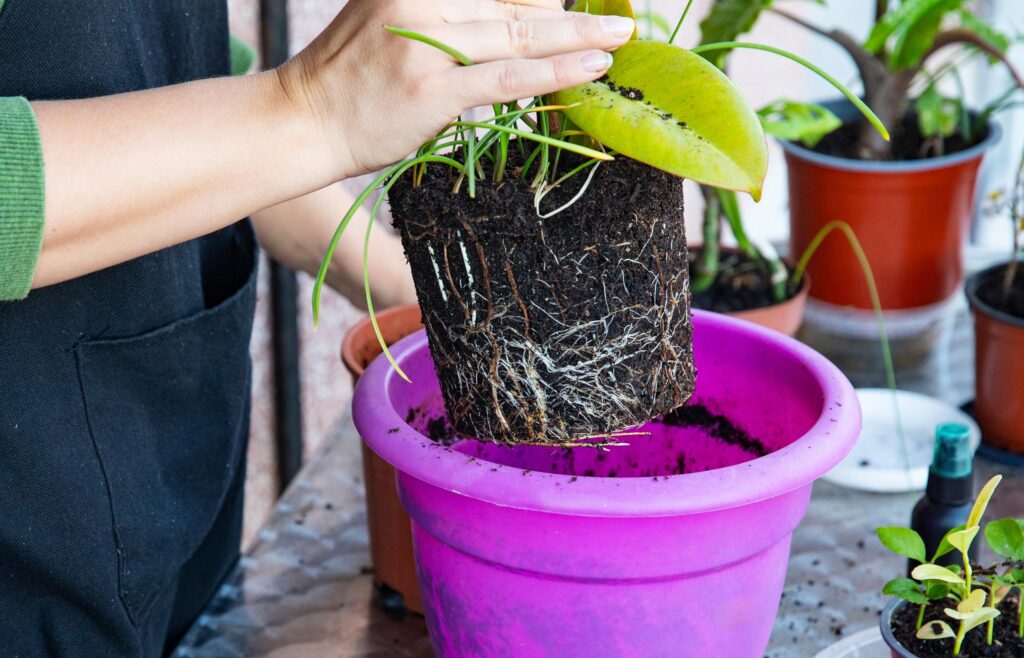
Why Indoor Plants Need Repotting
Plants grown in containers rely completely on the soil and space available inside the pot. Over time, roots may become crowded and soil may lose nutrients.
When roots fill the container, plants may stop growing or show signs of stress. Repotting provides fresh soil and more room for roots to develop.
Signs That Your Plant Needs Repotting
There are several signs that indicate a plant has outgrown its container.
Roots growing out of drainage holes
Soil drying very quickly after watering
Slow plant growth
Roots circling inside the pot
When these signs appear, it may be time to move the plant into a larger container.
Choosing the Right Pot
When repotting indoor plants, the new container should be slightly larger than the current one.
A pot that is two to five centimeters wider in diameter usually provides enough space for roots to expand. Containers should always include drainage holes to prevent excess water from collecting in the soil.
Preparing Fresh Soil
Healthy soil supports strong root growth. When repotting, use fresh potting mix that provides proper drainage and nutrients.
Indoor plants generally grow well in a balanced soil mixture that includes organic material and lightweight components that improve airflow.
Fresh soil helps plants recover quickly after repotting.
Steps to Repot Indoor Plants
Repotting plants is a simple process when done carefully.
First, gently remove the plant from its current pot.
Loosen the roots slightly to encourage new growth.
Add fresh soil to the bottom of the new container.
Place the plant in the center of the pot.
Fill the remaining space with soil and press gently.
Water the plant lightly after repotting to help the soil settle around the roots.
When Is the Best Time to Repot Plants
Most indoor plants respond best to repotting during their active growing season.
Spring and early summer are generally ideal times because plants recover faster when growth is active.
Avoid repotting plants during dormant periods unless the plant is severely root bound.
Common Repotting Mistakes
Using pots that are too large can cause soil to stay wet for too long. This may lead to root problems.
Pulling plants roughly from their containers can also damage roots. Gentle handling helps plants adjust quickly to their new environment.
Proper drainage and fresh soil are essential for successful repotting.
How often should indoor plants be repotted?
Most indoor plants benefit from repotting every one to two years depending on growth.
Can I reuse old soil when repotting?
Old soil can sometimes be reused if it is mixed with fresh compost or potting mix. However, completely replacing soil is often better because fresh soil provides more nutrients for plant growth.
How long does it take plants to recover after repotting?
Many indoor plants adjust within a few days to a week. During this time it is helpful to keep the plant in moderate light and avoid excessive watering.
Repotting indoor plants is an important step in maintaining healthy indoor gardens. Providing plants with fresh soil and additional space helps roots develop properly and supports steady growth.
With careful handling and the right container size, repotting becomes a simple and beneficial part of plant care. As plants continue to grow, occasional repotting ensures they remain healthy and vibrant inside homes.